What Counts as Historical Fiction? | Historical Fiction 101
As a historical women’s fiction author, one of the questions I hear most often—from readers, book club members, and even new writers just beginning to explore the genre—is wonderfully simple:
“What actually counts as historical fiction?”
At first glance, it seems like a straightforward question. But the longer I’ve written, researched, and connected with readers, the more I’ve realized how layered and fascinating this question truly is. Historical fiction holds a wide range of stories, styles, and time periods. And what one reader considers “historical,” another might view differently.
So today, in this first installment of Historical Fiction 101: Ask a Historical Fiction Author, I’m diving into what defines historical fiction, why the definition matters, and how authors bring the past to life in ways that resonate emotionally and truthfully.
The Heart of Historical Fiction
Readers come to historical fiction with a desire to step into a different time, whether it’s the opulence of a grand hotel lobby in 1920s Vancouver or the gritty edge of Prohibition-era smuggling operations. Historical fiction allows us to glimpse the people who lived before us, their challenges, triumphs, heartbreaks, and joys. It allows us to walk inside their stories.
But what makes a story historical?
At its core, historical fiction is defined by time. But not just any time—time that feels distinctly separate from the world we live in today.
The Widely Accepted Definition
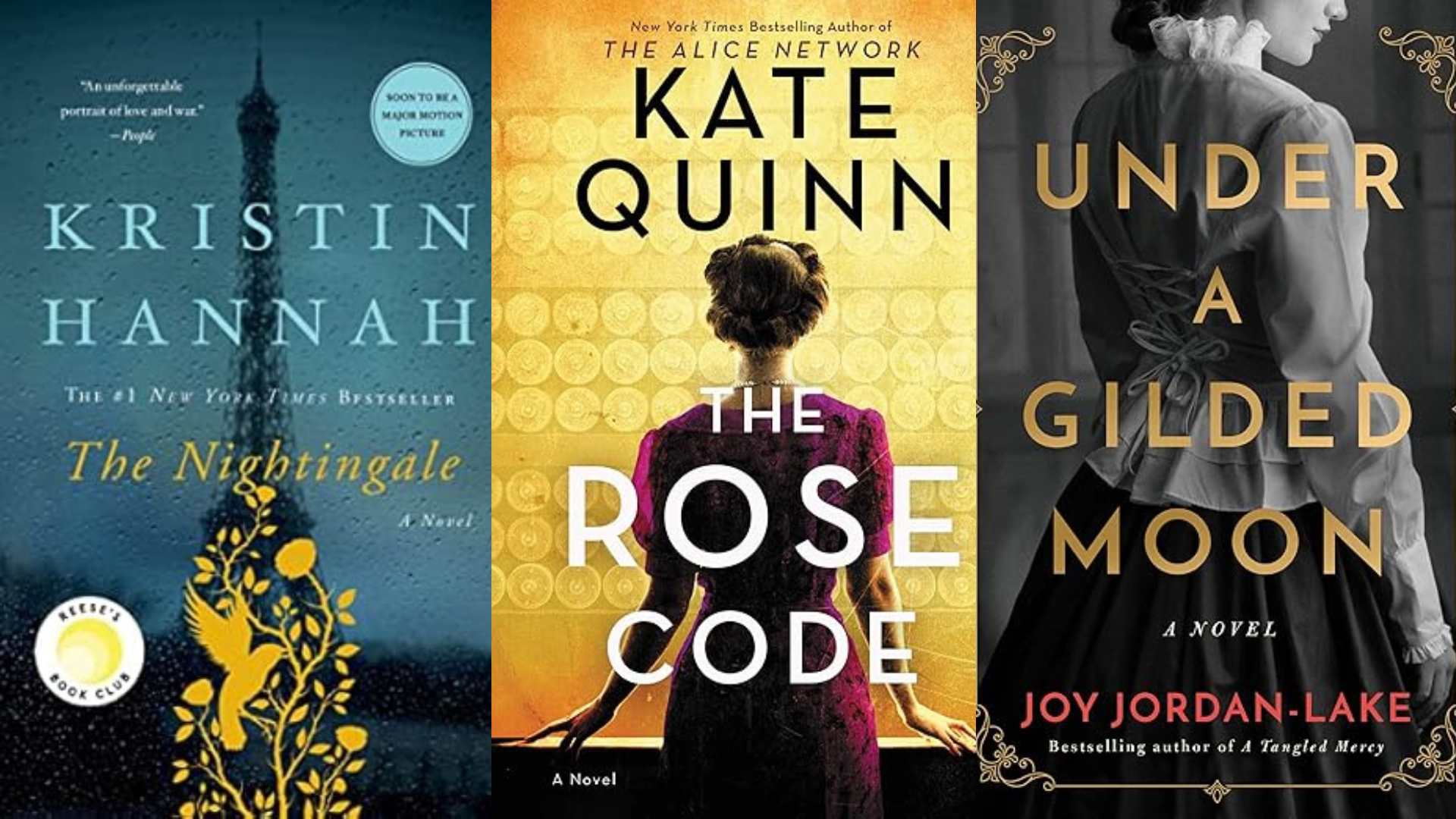
The Historical Novel Society, a leading voice in the genre, offers a definition that most publishers and authors agree on:
A story is considered historical fiction if it is set at least 50 years in the past, or before the author’s lived experience.
This definition gives us two important guideposts:
1. The story must be grounded in the past.
This might be the early 1900s, the age of suffragettes, the Great Depression, or a century far beyond.
2. The time must be outside the author’s personal memory.
Even if a book is set in 1989, if the author was born in 2000, it is historical fiction for them.
For an author born in the 1970s, however, a book set in the late 1980s would not be classified as historical fiction.
This definition places the emphasis not only on the story’s setting but also on the author’s ability to reimagine a world they never personally lived through.
Historical Fiction vs. “Historical Feeling”
Of course, the genre isn’t as rigid as a dictionary entry. Readers bring expectations, background knowledge, and their own preferences to every book.
Some feel a book must:
- follow real timelines closely
- include authentic historical detail, and
- portray social norms as they existed in the past
Others are most drawn to:
- emotional truth
- atmosphere
- character-driven storytelling
- fictional plots inspired by true events
Both perspectives fit within the genre.
Historical fiction lives beautifully in the space between fact and imagination.
It’s where research meets storytelling.
Genre Overlaps and Grey Areas
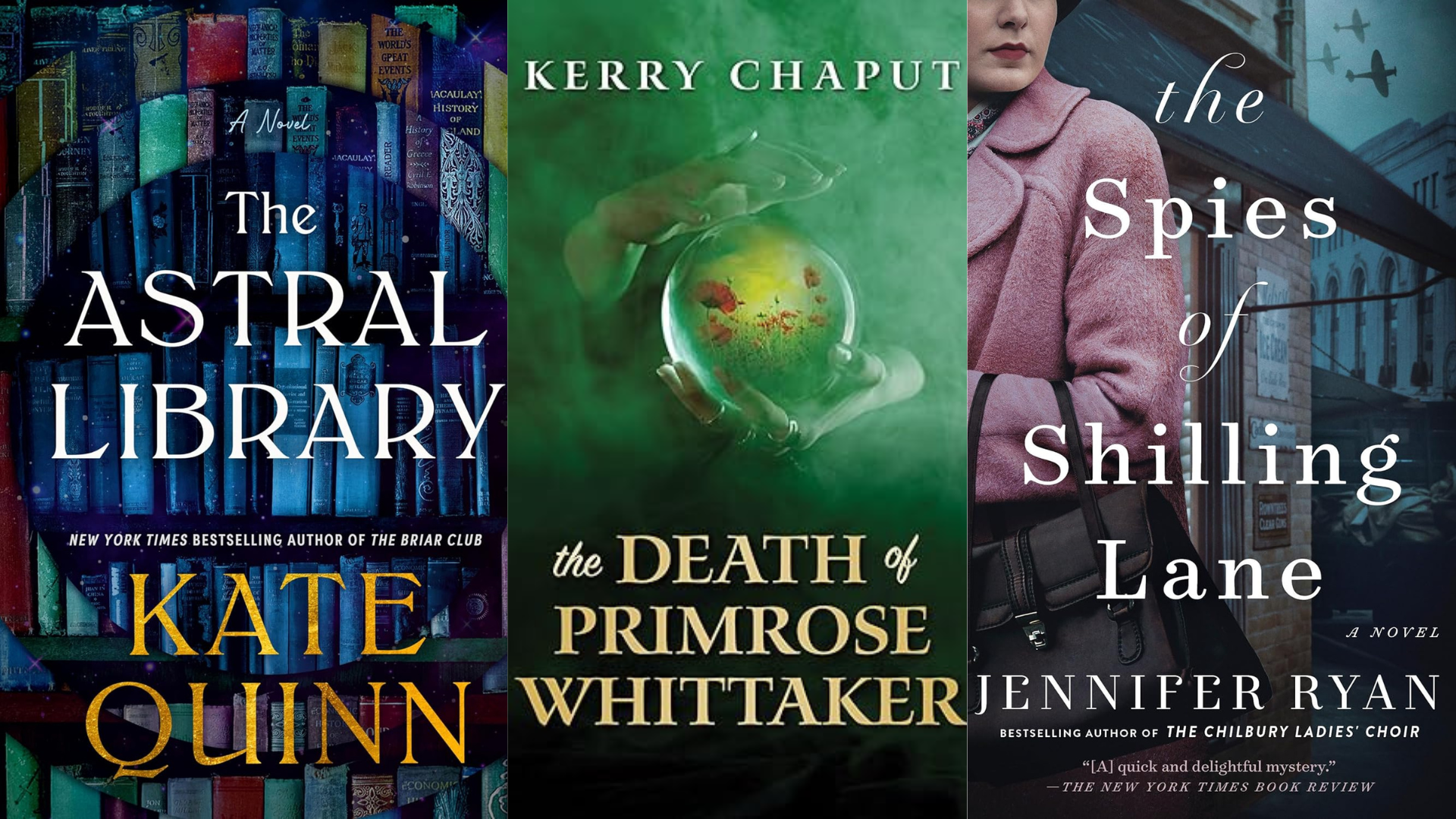
One reason readers frequently ask this question is that historical fiction blends easily with other genres.
For example:
Historical Fantasy
A story might include magic or supernatural elements layered over a real historical period.
Time-Slip or Dual Timeline
A novel may weave back and forth between a contemporary storyline and a historical one.
Historical Romance
A sweeping love story set in the past can lean more toward romance than history, depending on the focus.
Biographical Historical Fiction
These books closely follow the life of a real person, filling in emotional or narrative gaps with fictionalized scenes.
Alternative History
What if—?
These novels reimagine key events with different outcomes.
These nuances are what make the genre rich and evolving—but also why readers ask for clarity.
Why Readers Care About Definitions
Historical fiction readers tend to be deeply curious. They want to know what’s real and what’s imagined, and many love comparing fiction with historical fact. For some, discovering the real stories behind the fiction is part of the joy of reading.
Knowing the genre’s definition helps readers understand:
- what to expect
- how much is based on research
- where artistic license may have been taken
- and how deeply rooted the story is in real history
It also helps them choose books that match their reading preferences—and sometimes even sparks new interests in unfamiliar eras.
How I Define Historical Fiction in My Own Writing
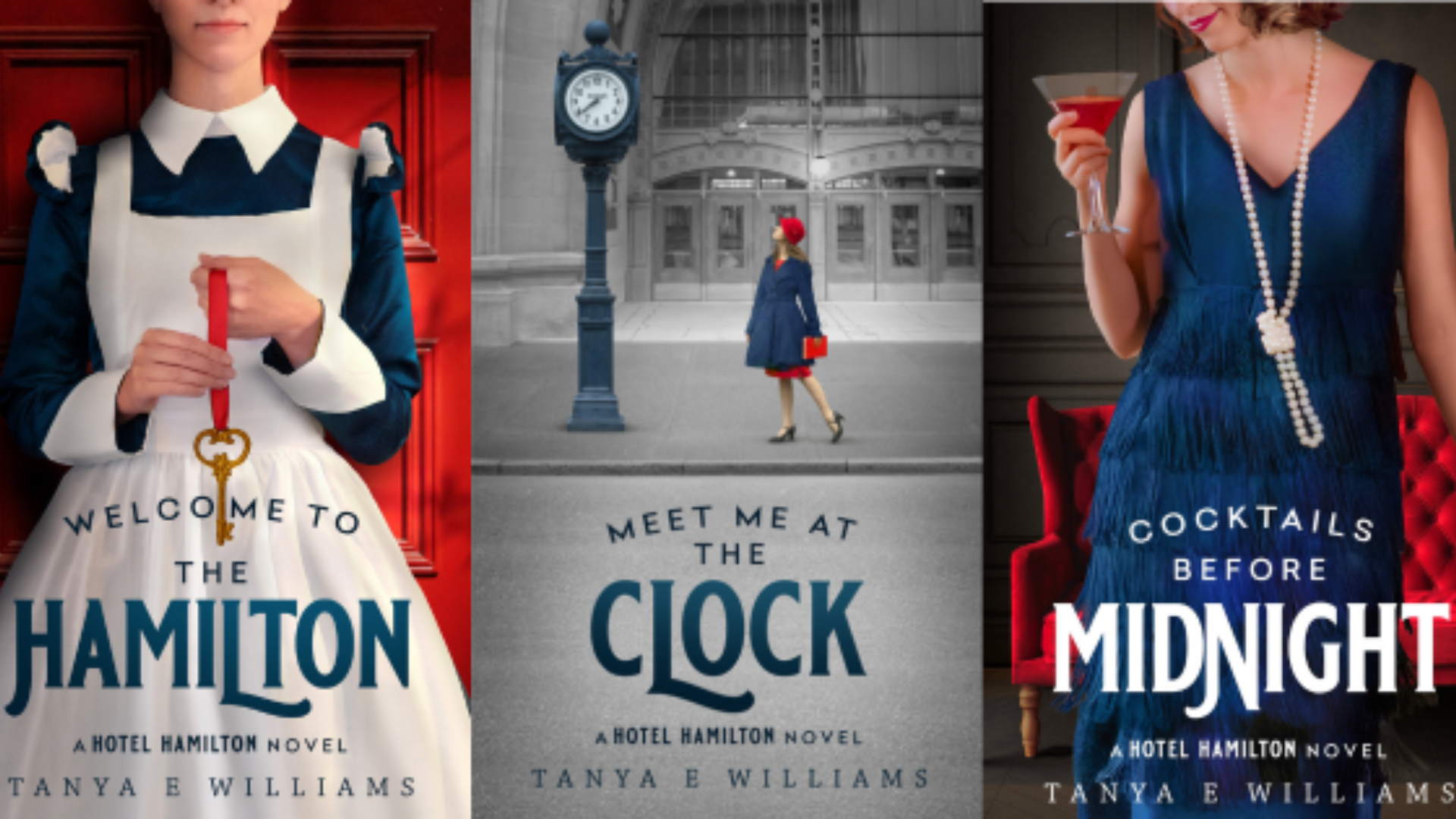
In my novels, I aim to blend historical accuracy with emotional truth. My characters—women navigating family obligations, societal expectations, and personal longing—are often fictional. But their circumstances, challenges, and worldviews are grounded in extensive research.
For me, historical fiction is not about perfect precision.
It’s about perspective.
I ask questions like:
- What did it feel like to be a woman during this era?
- What choices did she have—or not have?
- What would have been at stake for her?
- How might her world have shaped her resilience or quiet acts of courage?
When a story brings readers closer to those emotional truths, I believe it firmly belongs within the genre.
If you'd like to explore more of my titles, you can view them HERE.
What Counts as Historical Fiction? The Short Answer
Here it is—the simplest way to think about it:
If the story takes place in a time meaningfully different from our own and is written with attention to that era’s realities, it counts as historical fiction.
From richly detailed epics to intimate, character-driven stories, the heart of the genre is the same:
The past shapes the characters’ lives, choices, and possibilities.
That’s historical fiction.
Stay tuned for the next post in this series:
👉 How Accurate Should Historical Fiction Be?
If you'd prefer, you can view the Historical Fiction 101 series on YouTube!
Thank you for joining me as we explore stories woven through time.
Until next time, happy reading.
Tanya
Avid Reader I Tea Drinker I Daydreamer
If you love historical fiction filled with emotional depth and unforgettable women, I have a short reading guide that may be a good place to begin.
Inside you'll discover three historical novels I recommend for readers drawn to stories of women at turning points, along with reflections on why these stories stay with us long after the final page.