The Persons Case: When Women Were Not Considered Persons in Canada
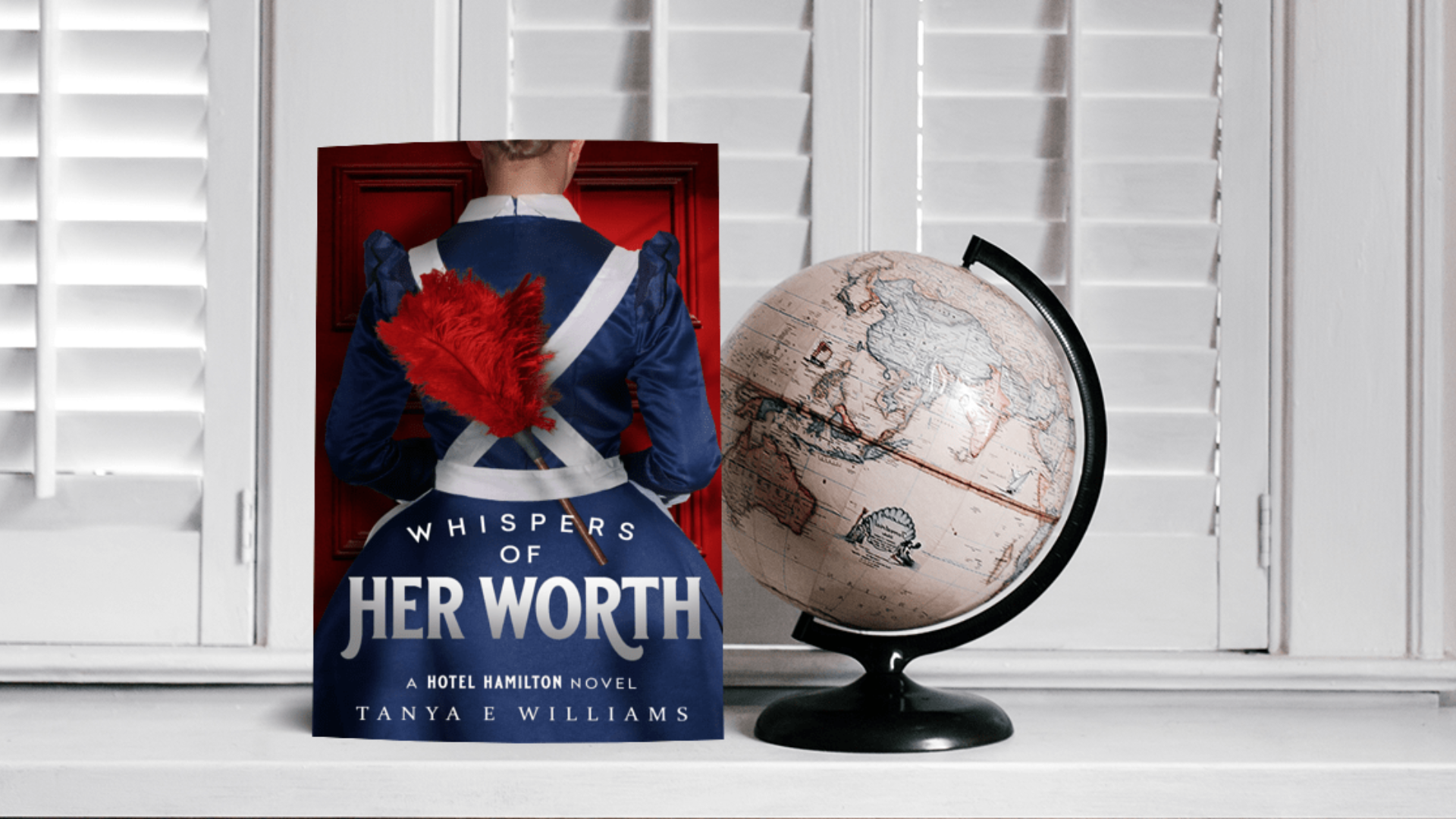
Sometimes a story begins in the smallest possible moment.
Not with a grand plan. Not with a fully formed plot. Just a passing question that refuses to let go.
I was sitting on the sofa one evening, wrapped in a blanket, trying to rest my mind after weeks of searching for the idea behind my next novel. My editor meeting was fast approaching. The deadline felt loud. My inspiration did not.
We had Downton Abbey playing in the background when my husband asked what year my next story would take place.
“1928 Vancouver,” I said.
A little while later, he made the sort of thoughtful sound that always tells me I should pay attention.
“Did you know that women weren’t considered persons in 1928?”
I remember blinking at him, certain I had misheard.
Women could vote. They could work. They could own property. How could they not be considered persons?
But that question led me straight into one of the most startling chapters in Canadian history.
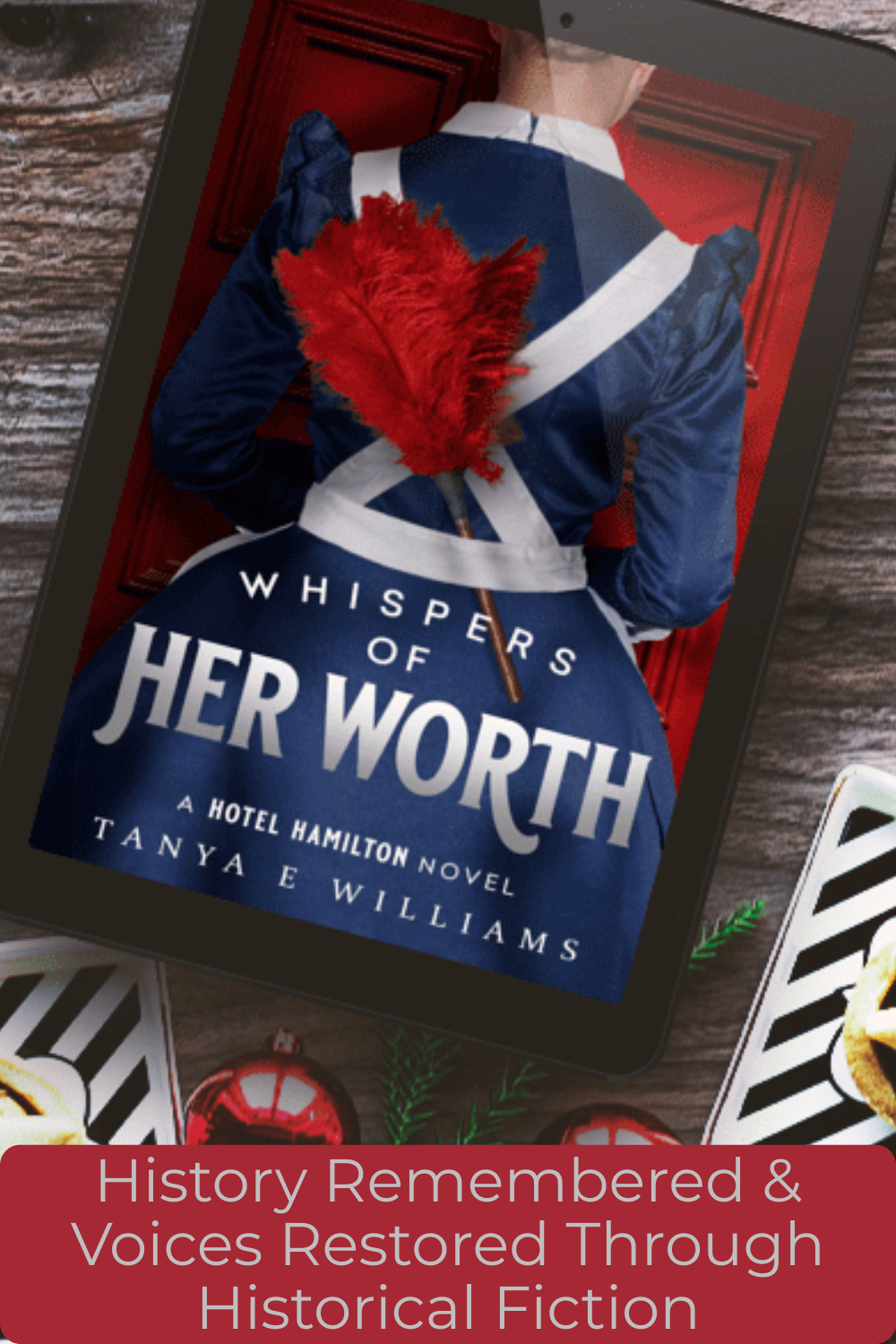
What Was the Persons Case?
The Persons Case was a landmark legal battle in Canada that asked a question so basic it still feels shocking to repeat:
Did the word “persons” in the British North America Act include women?
In 1927, five Alberta women came together to challenge the legal interpretation that excluded women from eligibility for appointment to the Senate. Those women were Emily Murphy, Nellie McClung, Henrietta Muir Edwards, Irene Parlby, and Louise McKinney. Today, they are often remembered as the Famous Five.
The case was about far more than one political appointment.
It exposed a deeper truth about the limits placed on women’s citizenship, authority, and public identity. At its core was the question of whether women could be fully recognized within the legal life of the nation.
In 1928, the Supreme Court of Canada ruled that they could not. Under that interpretation, women were not considered “qualified persons” for the purpose being argued.
Even now, it is difficult to sit with the weight of that answer.
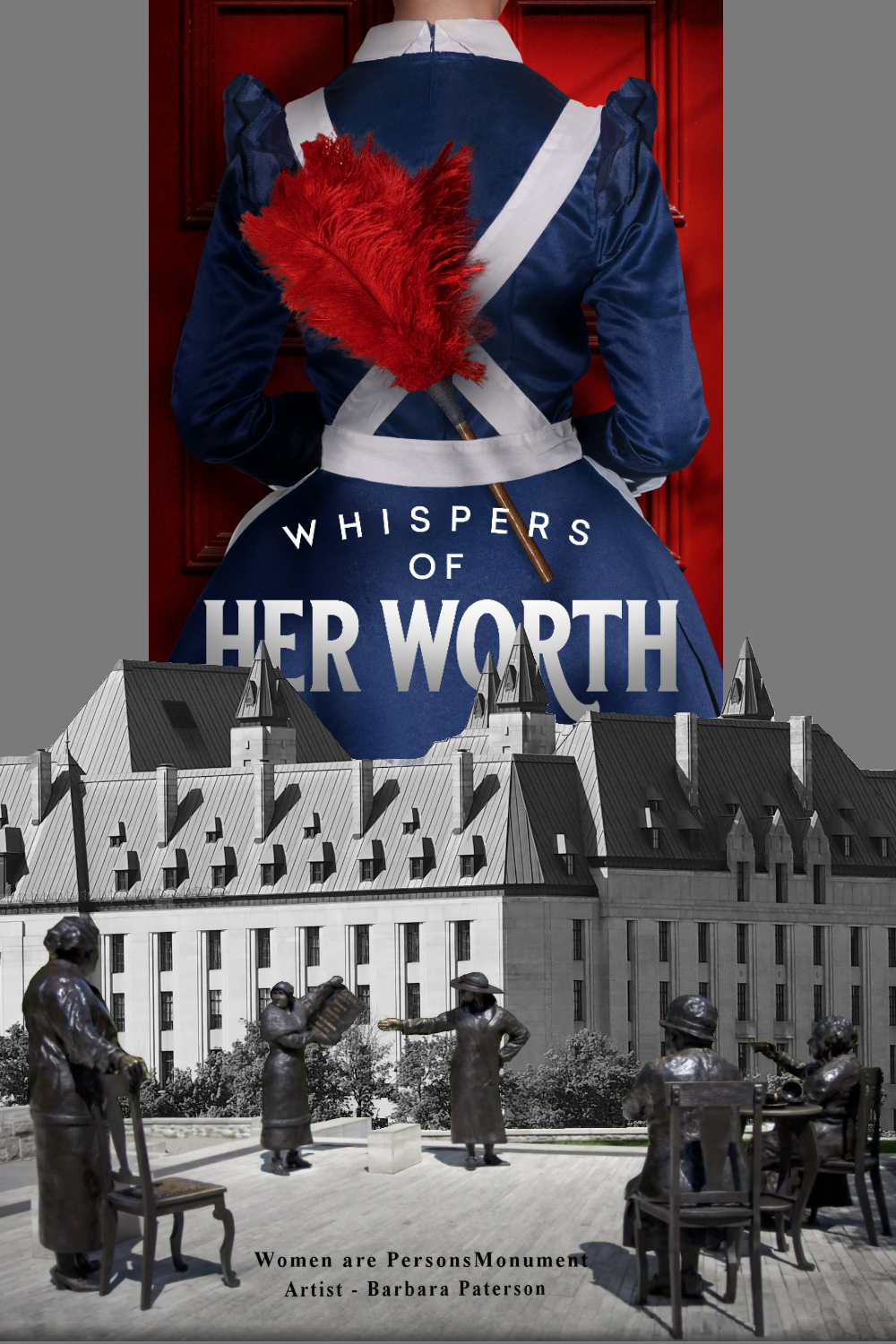
Why the Ruling Still Feels So Startling
History often reaches us through dates and headlines. But some moments ask to be felt more personally than that.
The Persons Case is one of them.
Because once you move beyond the legal language, what remains is a deeply human question: what does it mean to be told that your intelligence, your work, your voice, and your presence still do not add up to full recognition?
That is part of what unsettled me when I first began reading about the case.
It was not simply the ruling itself. It was the realization that this happened in Canada. That it happened in 1928. That it happened in the very era I was preparing to write.
The distance between “then” and “now” suddenly felt much smaller.
The Women Who Refused to Accept the Answer
What moves me most about the Persons Case is not only the injustice of the ruling, but the persistence that followed it.
The Famous Five did not accept the Supreme Court’s decision as the end of the story. They appealed to the Judicial Committee of the British Privy Council, which at that time served as Canada’s highest court of appeal.
In 1929, the Privy Council overturned the earlier ruling.
Women, it declared, were indeed persons under the law.
It was a legal victory, yes. But it was also something more.
It was a declaration that exclusion could be challenged.
That language could be fought for.
That change often begins because someone is willing to ask a question others have learned to live with.
For me, that is where this history stopped feeling distant and began feeling deeply alive.
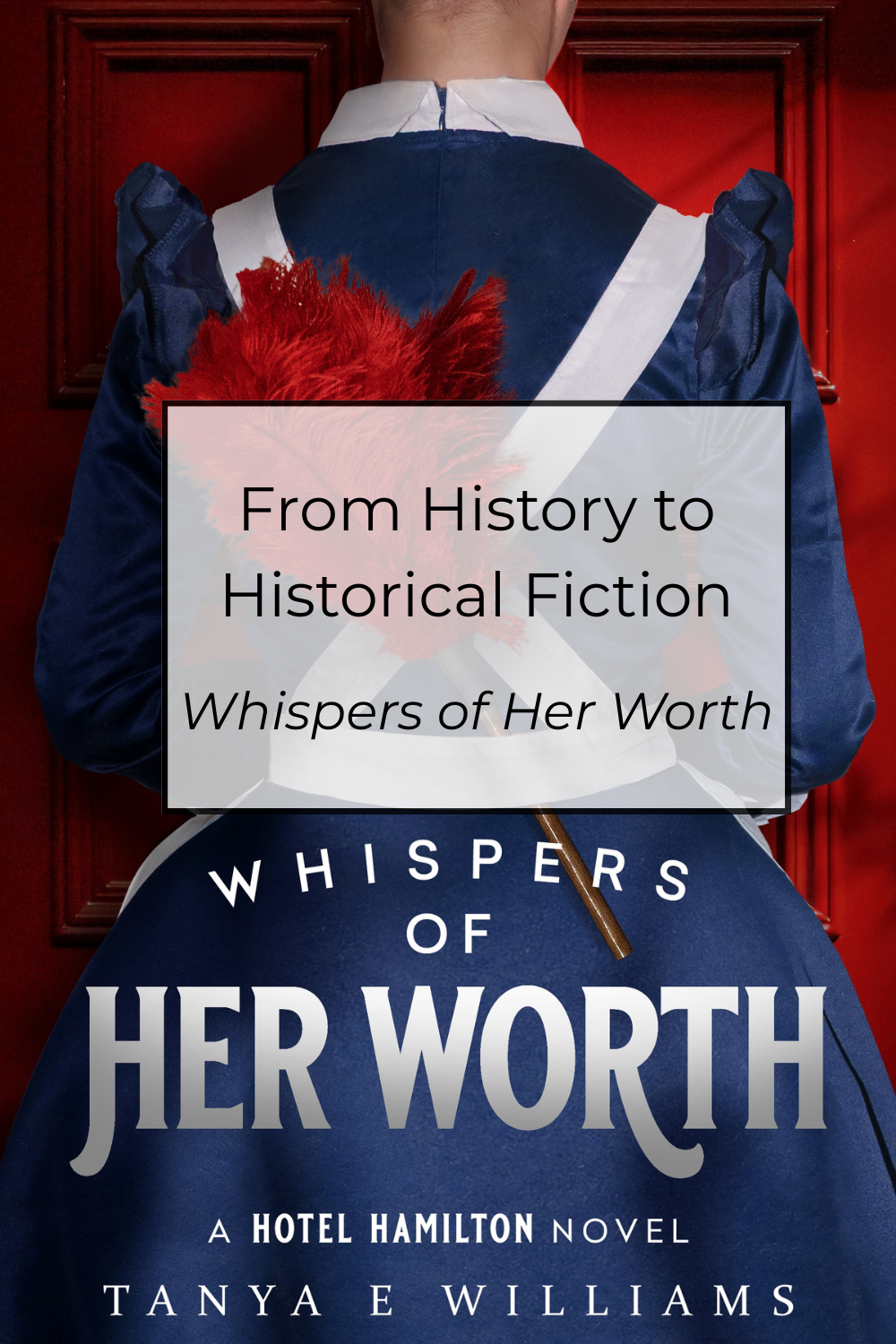
How the Persons Case Shaped Whispers of Her Worth
The moment I understood the timeline, I could feel the world of The Hotel Hamilton Series shift.
I could see the hotel corridors.
Hear the clatter of dishes.
Imagine the murmur that might pass from one woman to another as the news spread.
What would it feel like to read that headline as a woman in 1928?
How would it land in the body?
How would it alter the way you saw your future?
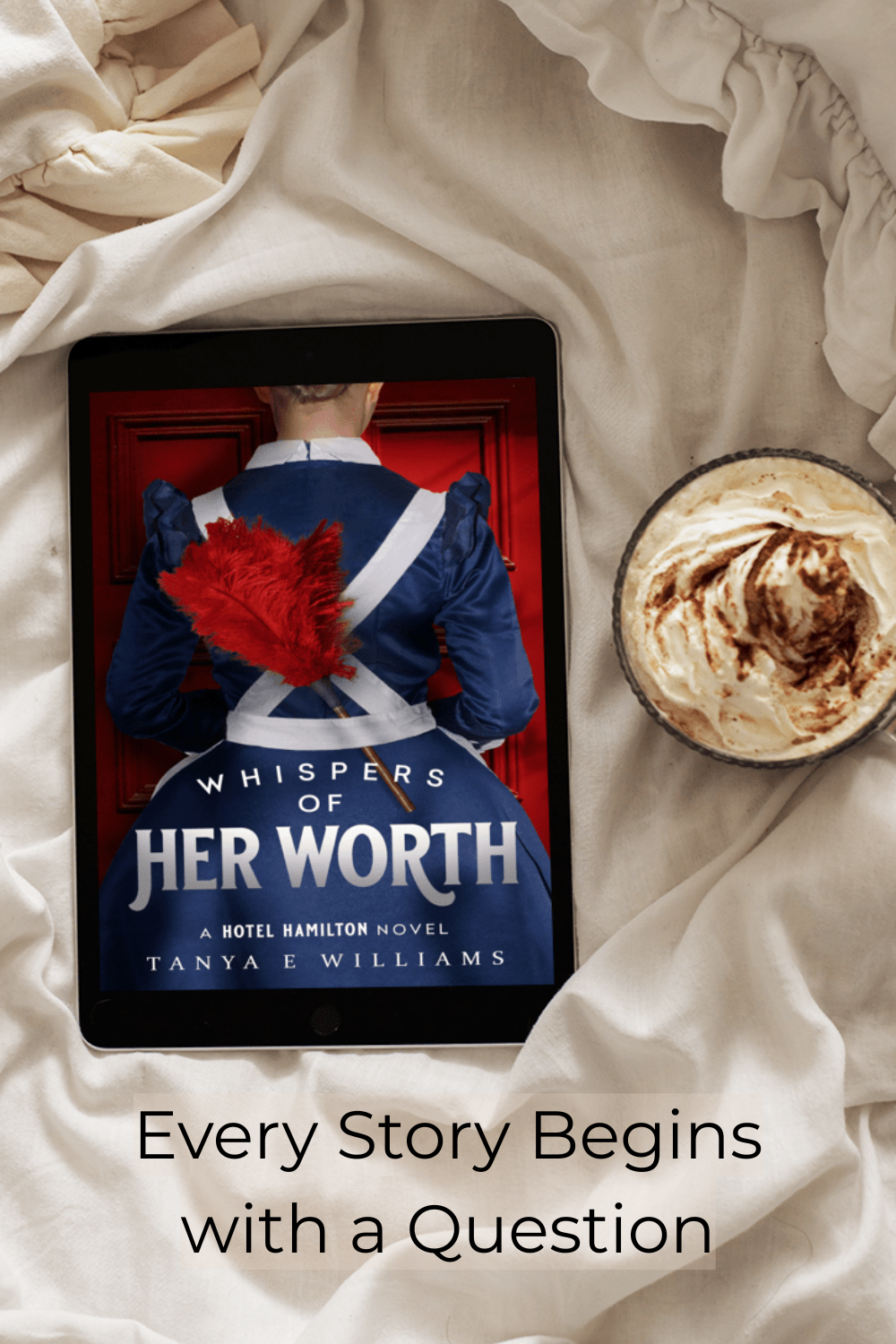
Those questions became the doorway into Whispers of Her Worth.
As I continued researching the Persons Case, I realized I was not only reading about constitutional language or legal precedent. I was reading about worth. About visibility. About the emotional cost of living in a society that asks women to carry responsibility without granting them equal recognition.
That truth became part of the emotional foundation of the novel.
When History Becomes Fiction
One of the things I love most about historical fiction is its ability to take a moment from the past and return it to the realm of feeling.
We may know, in a broad sense, that women fought for legal recognition.
We may know the Famous Five changed Canadian history.
But fiction allows us to ask a different kind of question:
What did it feel like to live through that moment before the outcome was known?
Inside Whispers of Her Worth, Clara and Louisa Wilson live within a world shaped by expectation, limitation, and quiet resistance. They are intelligent, capable women navigating a society that still insists on defining them too narrowly.
When the Persons Case enters that world, it does more than provide historical backdrop. It sharpens the emotional stakes. It forces questions neither woman can easily set aside.
What does it mean to claim your worth in a culture that does not fully see you?
What happens when the world asks you to stay small, even as something inside you refuses?
Those are the kinds of questions fiction lets us live inside.
If You Prefer to Watch or Listen
I share more about the historical moment behind Whispers of Her Worth in my Author Notes video, including the surprising path that led me to the Persons Case in the first place.
You can watch it here:
Why the Persons Case Still Matters
Nearly a century later, the Persons Case still carries weight because it reminds us that progress is neither automatic nor evenly given.
It is shaped by people who challenge the language of exclusion.
By people who refuse to accept that the way things are is the way they must remain.
By people willing to insist, calmly and clearly, that they belong.
That is one reason this history stayed with me.
Not simply because it inspired a novel, but because it speaks to something enduring. The longing to be recognized. The courage to push back. The quiet but powerful determination to claim one’s place in the story.
And perhaps that is why historical fiction matters so much to me.
It gives us a way to return to these moments not as distant facts, but as lived experiences. It reminds us that the women who came before us were not ideas. They were people. And the questions they faced still echo.
Step Inside The Hotel Hamilton Series
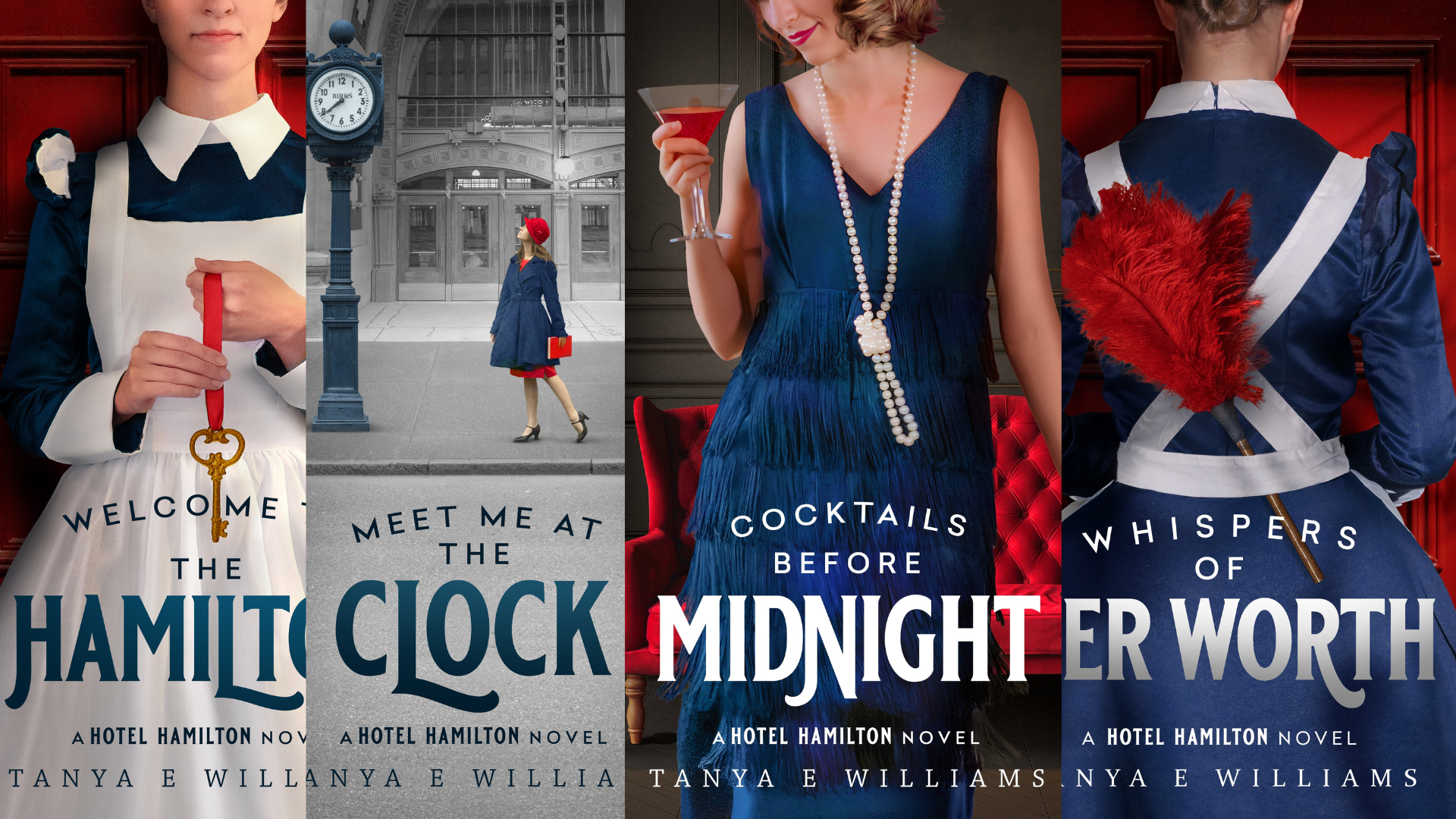
If you’re drawn to historical fiction that explores resilient women, emotional depth, and the quiet turning points that shape lives, Whispers of Her Worth is rooted in exactly that kind of history.
Because some stories do more than tell us what happened.
They ask us to look again at who was seen, who was overlooked, and who refused to disappear.
Xo,
Tanya
Avid Reader | Tea Drinker | Daydreamer