Your Summer Reading List: 5 Historical Fiction Picks
There is a particular quality to a summer afternoon that is hard to describe and almost impossible to recreate any other time of year. The light comes in differently. Time seems to slow at the edges. And the world — briefly, beautifully — gives you permission to stop.
I have always thought those hours belong to books. Not the quick, frantic kind of reading you squeeze in before sleep. The unhurried kind. Where you read a paragraph twice because it was so good the first time, then set the book down and just sit with it for a moment.
That is the kind of summer reading list I want to share with you today. Five historical fiction books — rich, emotionally layered, built for slow afternoons. And what I noticed when I gathered them is something I find quietly fascinating about this genre: several of these stories are set in the very same years, the early 1930s, and yet each one arrives at that moment from a completely different direction. More on that in a moment.
If you prefer to watch or listen, you can view the full Author Notes episode below.
Historical Fiction Books to Read This Summer
What makes a book feel right for summer? I have been thinking about this, and I keep coming back to the same word: immersion. The best summer historical fiction reads do not just entertain you — they put you somewhere else entirely. You feel the heat of the setting. You sense the weight of the historical moment. You become absorbed in a world that is gone but somehow still familiar.
Every book on this list does that. Some are quieter. Some are bigger. Some will make you cry in the best possible way. But all five will earn the long afternoon you are about to give them.
What to Read Next by These Authors
If you are the kind of reader who finishes a book and immediately wishes there were more — more of the world, more of the characters, more of the feeling — it is worth knowing what each of these authors has waiting for you. William Kent Krueger has an extensive mystery series featuring Cork O'Connor that is beloved for its sense of place and deeply human storytelling. The Bootlegger's Betrayal is part of my Vintage Vineyard series — standalone novels connected by a vineyard or vineyard-related setting, so each book stands on its own while feeling part of something larger. Hazel Gaynor and Kathryn Stockett both write standalones — no series to follow, but a backlist worth exploring once you fall in love with their voice.
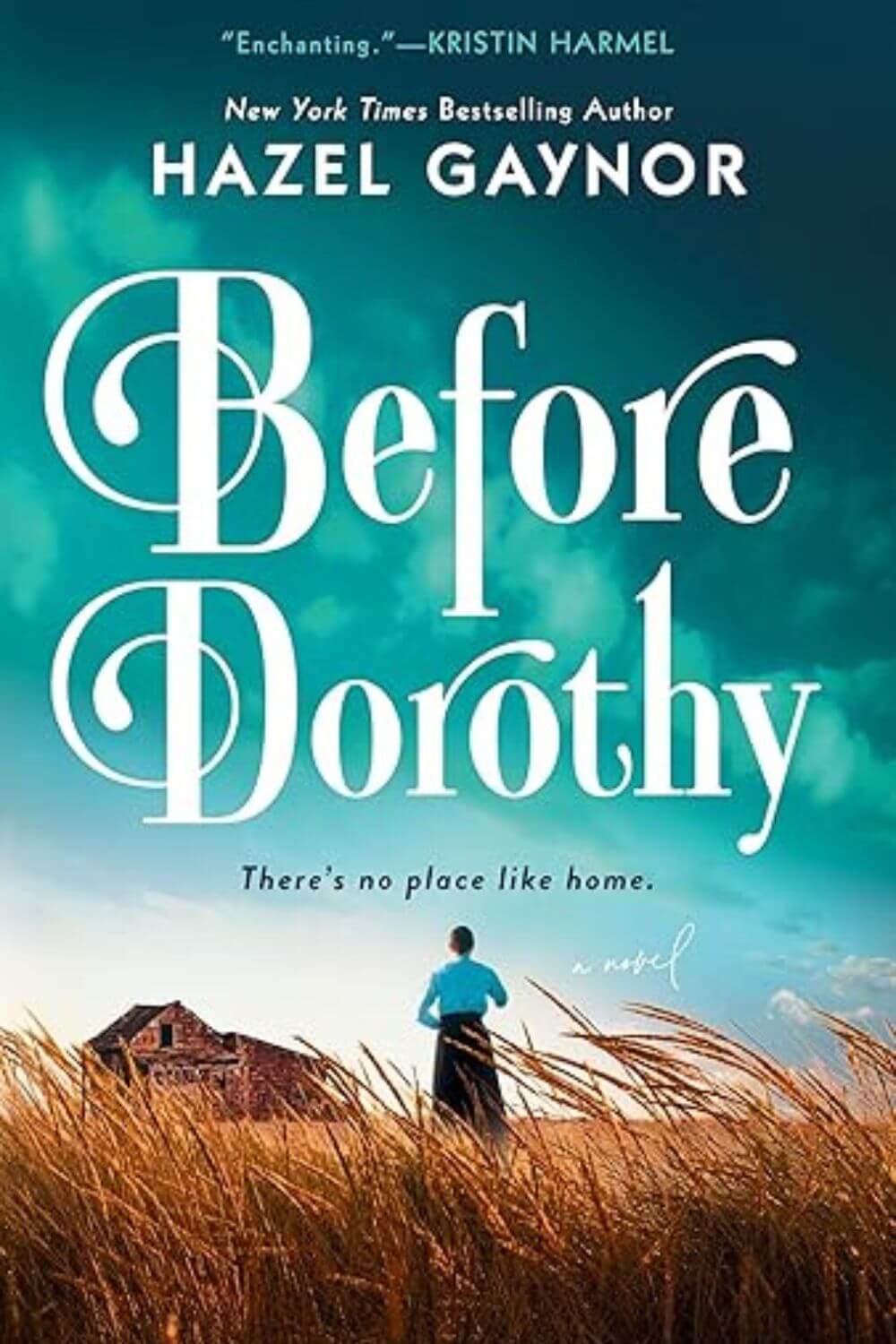
Before Dorothy — Hazel Gaynor
Hazel Gaynor has a gift for finding the hidden women behind beloved stories — and Before Dorothy is no exception.
We meet Emily in Chicago, 1924, as she prepares to leave the city she loves for a new life on the Kansas prairie with her husband Henry. Fast forward nearly a decade, and Emily and Henry have built something real in that farming community. But nothing about their life is simple. Drought is gathering at the horizon, the Dust Bowl beginning its slow, devastating advance. And then Dorothy arrives — an orphaned niece who turns Emily’s world upside down in ways she never expected.
This is a story about home — what we sacrifice to build it, what we do to protect it, and what happens when the past refuses to stay where we left it. It is warm and deeply felt, with a thread running through it that will delight readers who grew up loving a certain famous story set in Kansas. A beautiful place to begin your summer reading.
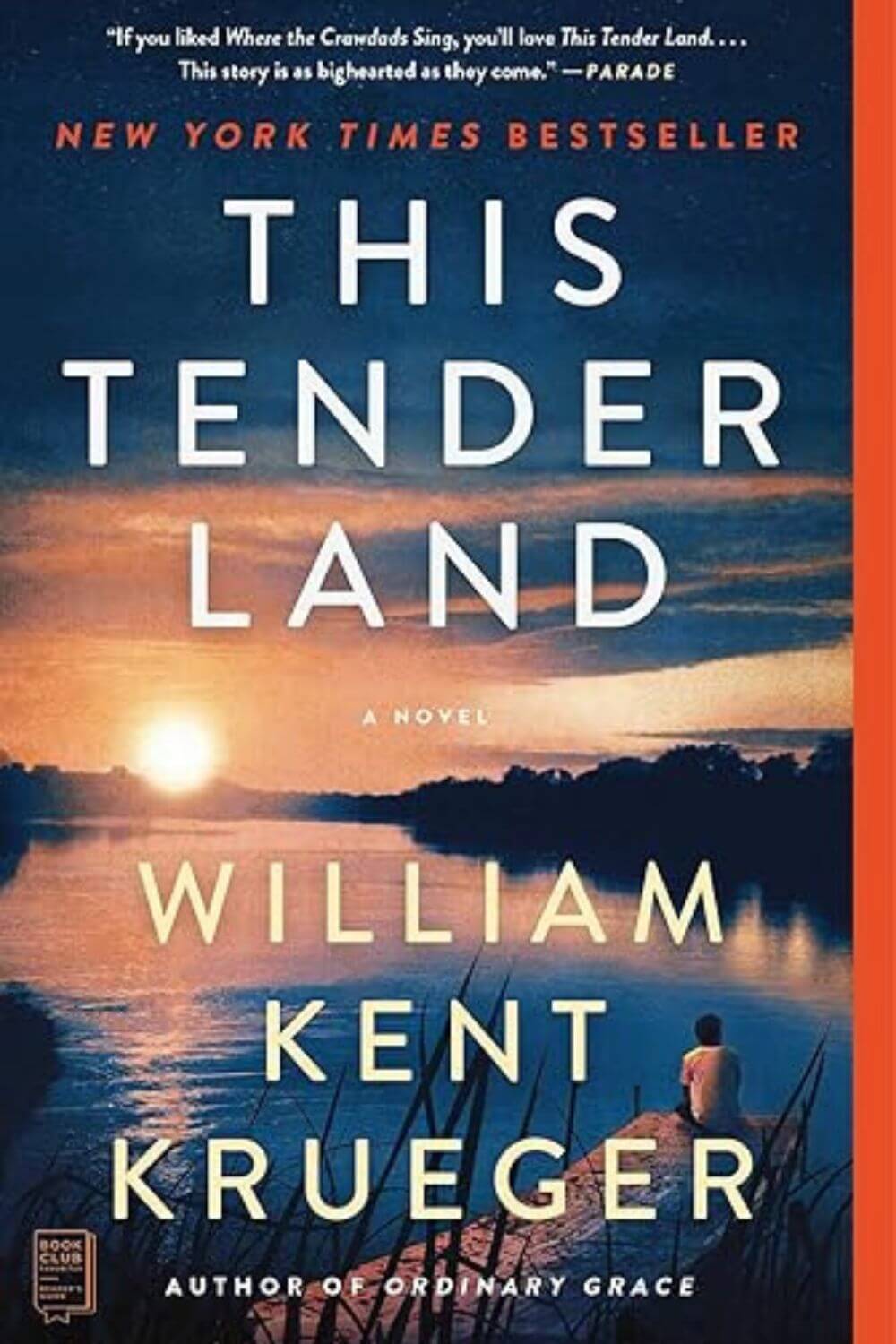
This Tender Land — William Kent Krueger
It is 1932 and twelve-year-old Odie O’Banion is an orphan confined to the Lincoln Indian Training School on the banks of the Gilead River. When circumstances force him to flee, he and his brother Albert, their best friend Mose, and a small, brokenhearted girl named Emmy steal away in a canoe, heading for the Mississippi and the possibility of somewhere they might finally belong.
Over one summer, these four children move through a Depression-era America in all its heartbreaking, hopeful complexity — struggling farmers, travelling faith healers, displaced families, the full weight of an era when ordinary people were being asked to carry extraordinary things.
This Tender Land has the feeling of a modern classic. Emmy in particular will stay with you long after you close the cover. If you have not read Krueger before, this is exactly where to begin.
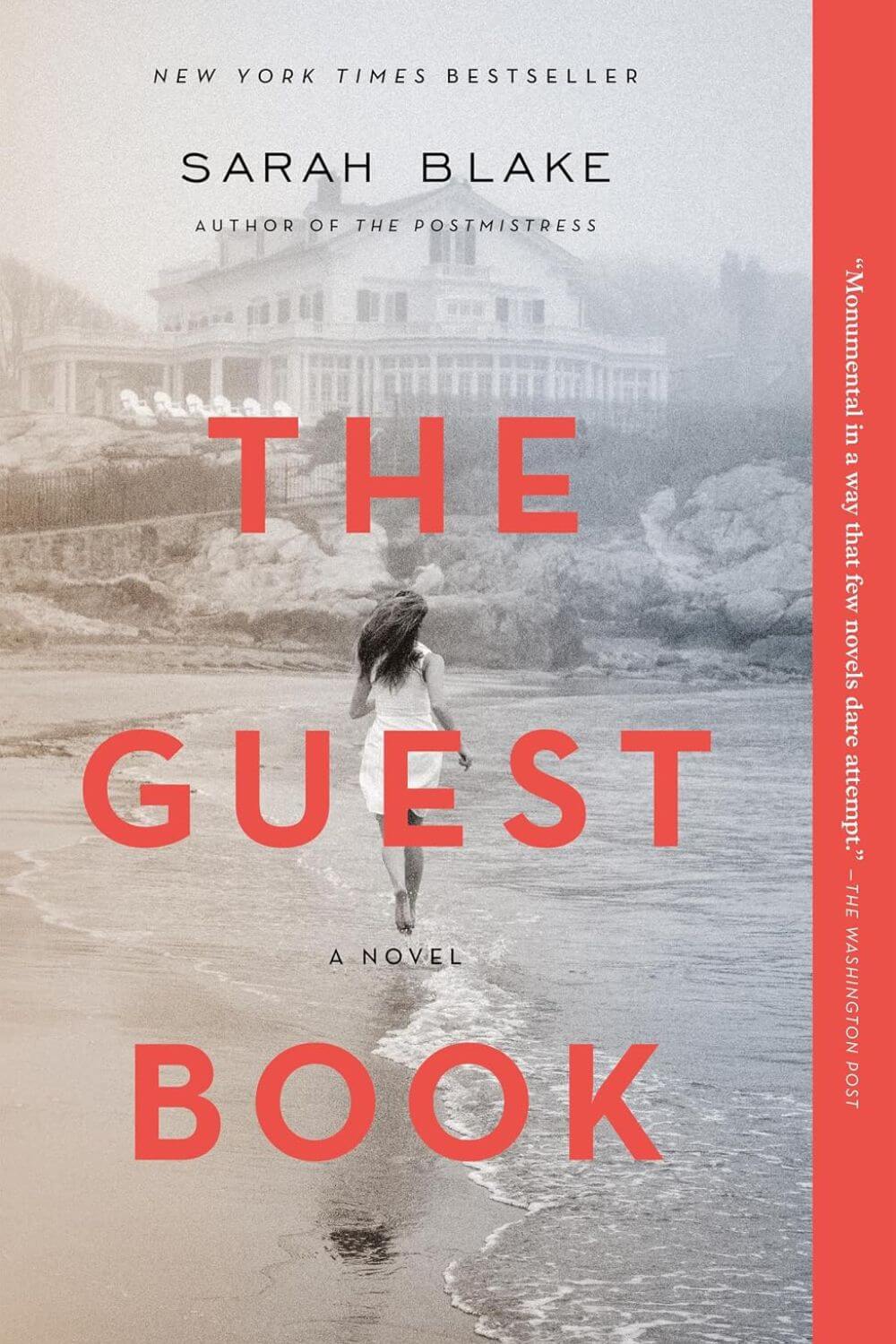
The Guest Book — Sarah Blake
Where the first two books put you in the thick of the Depression’s heartland, The Guest Book takes you somewhere else entirely: a family island retreat off the coast of Maine, spanning three generations.
This is a novel about inheritance — not money, but memory. The stories passed down, the silences kept, the quiet agreements a family makes about what will be said aloud and what will not. Sarah Blake examines wealth, race, religion, and belonging through the lens of one unforgettable American family navigating a changing world, and she does it with an elegance that stays with you.
It is a slower, richer read — a book that asks you to settle in rather than race forward. Perfect for a long afternoon when you have nowhere to be and every reason to linger.
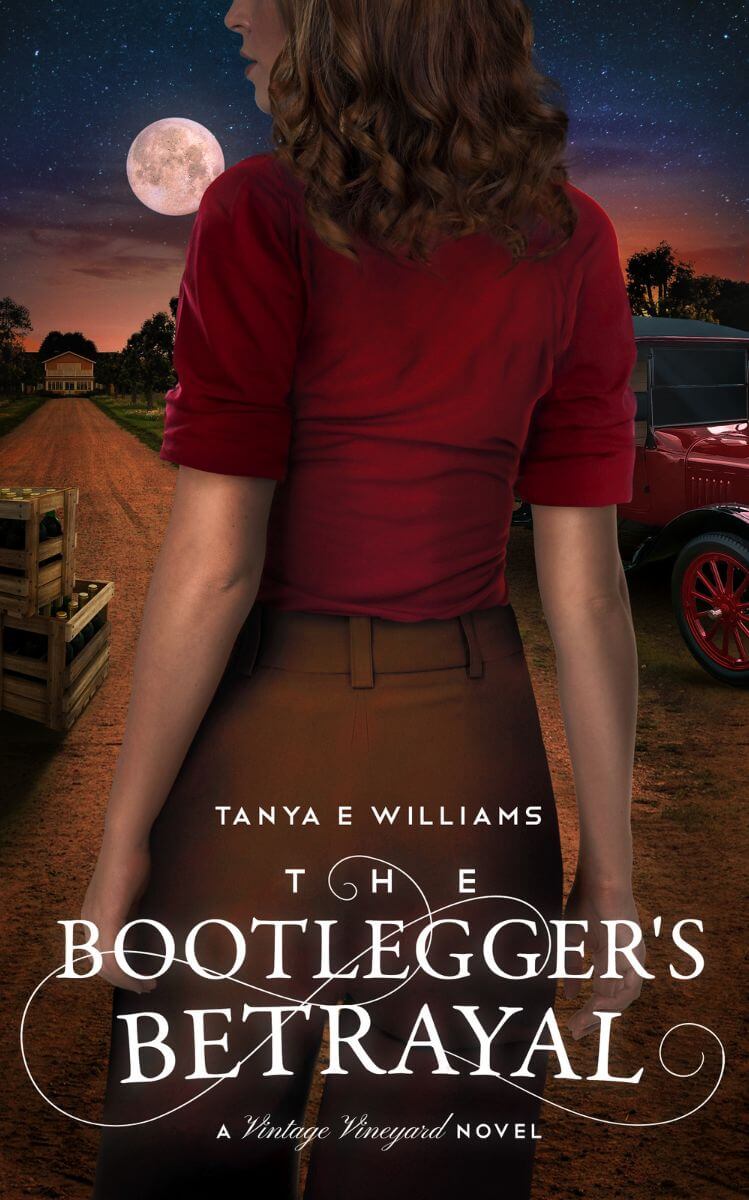
The Bootlegger’s Betrayal — Tanya E. Williams
I’ll be honest with you — I may be a little biased about this one.
The Bootlegger’s Betrayal is set in Elko, Nevada in 1955, and it opens on Meg Bruno: a seventy-six-year-old woman who has kept the past exactly where she put it. Decades ago, she was known as the infamous Bootlegging Queen — smuggling sacramental wine during Prohibition until the law caught up with her and took nearly everything. The headlines told her story. But the truth? That she swore to carry to her grave.
Then a young reporter named June Monroe shows up at her door. Pencil in hand, career on the line, determined to uncover the facts behind one of the largest wine raids in Nevada history. The harder June presses, the more Meg resists — until a secret neither of them saw coming changes the shape of everything.
The novel moves between two timelines — Meg’s Prohibition-era past and her 1955 present — and that layering is part of what makes it so compelling. You piece together the truth right alongside June, one carefully guarded secret at a time. The Nevada desert heat is practically a character of its own. It feels right for summer, even if I do say so myself.
You can find The Bootlegger’s Betrayal in print, eBook, and audiobook in my shop — or at your favorite online bookstore.
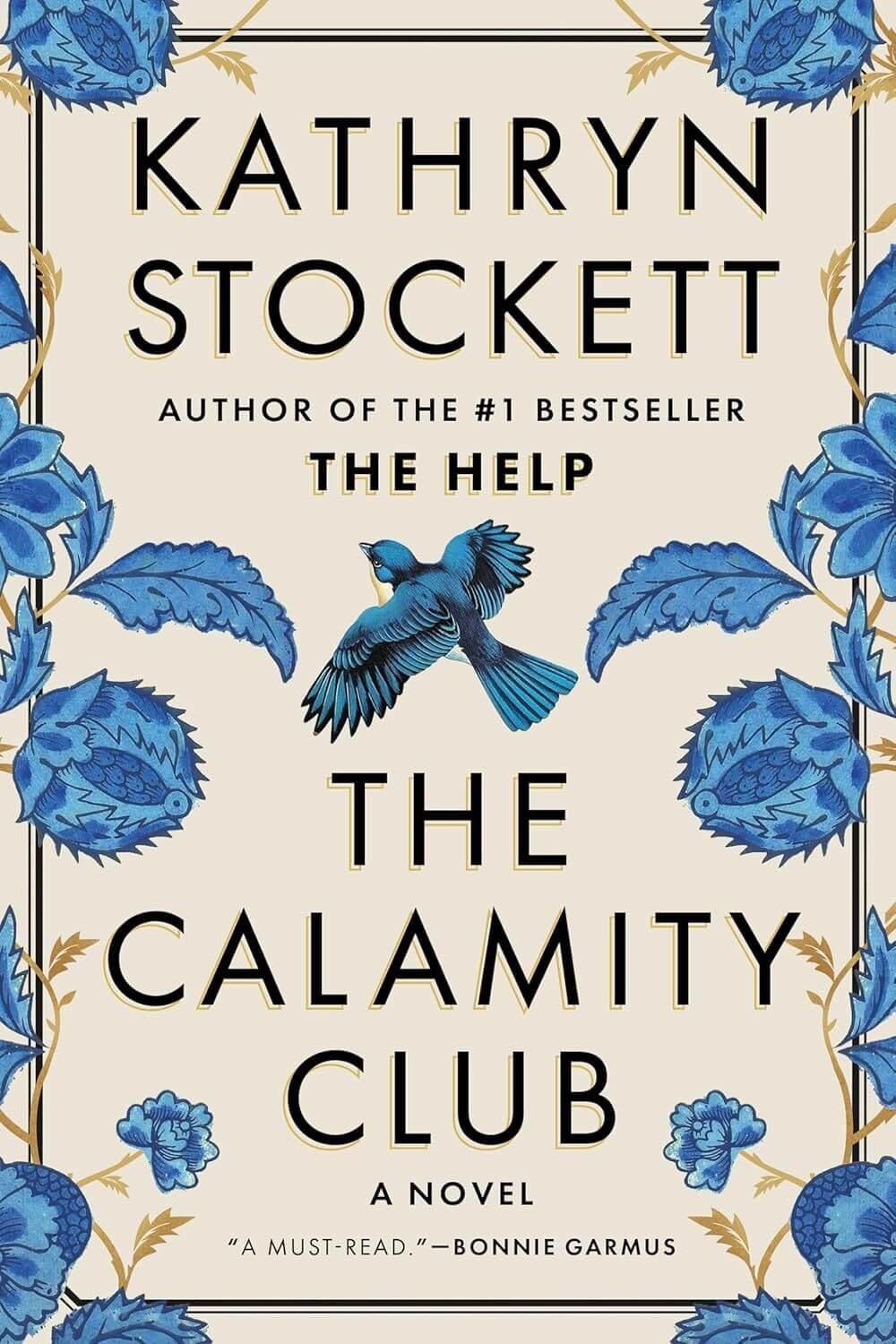
The Calamity Club — Kathryn Stockett
The fifth and final book on this summer reading list is The Calamity Club by Kathryn Stockett — yes, the author of The Help — and it is an absolute triumph.
It is Oxford, Mississippi, 1933. Eleven-year-old Meg Lefleur is one of the “unadoptable big girls” at the Lafayette County Orphan Asylum, doing everything she can to keep her spirit from being ground down. Birdie Calhoun has arrived in Oxford to ask her socialite sister for help, only to find that her sister’s charmed life is built entirely on carefully maintained lies. And Charlie — a woman running low on luck with little left to lose — has an audacious idea about what the three of them might do together.
In a place and time where women’s freedom is fragile and hypocrisy runs deep, even the smallest act of defiance carries consequences. The Calamity Club will make you laugh, cry, and cheer — often within the same chapter. It is Stockett at her most confident and most heartfelt, and it closes this list exactly as I hoped: with women who refuse to be underestimated, and a reminder that sometimes calamity is the beginning of something new.
What to Look for in a Summer Historical Fiction Read
If you are newer to historical fiction — or looking to find your way toward the books that will resonate most — it helps to know what you are drawn to before you choose.
Some readers want immersion above all else: the feeling of being fully transported into another time and place, where the research is so deeply embedded that the world simply feels true. Others come for the emotional arc — the protagonist who carries something impossible and finds her way through it with more grace than anyone had a right to ask. And some readers are drawn most to the structural pleasures of the genre: dual timelines, layered secrets, the satisfaction of a past and a present converging in ways that feel both surprising and inevitable.
All five books on this list offer all three. But if you know which element matters most to you, let that guide where you begin.
Frequently Asked Questions
What book should I read if I like historical fiction?
It depends on what you love most about the genre. If you are drawn to emotionally layered stories about women navigating impossible circumstances, Before Dorothy by Hazel Gaynor or The Calamity Club by Kathryn Stockett are excellent places to start. If dual timelines and slowly unfolding secrets appeal to you, The Bootlegger’s Betrayal moves between Prohibition-era Nevada and the 1950s with exactly that kind of structure. And if big, multigenerational family sagas are your preference, The Guest Book by Sarah Blake is a deeply satisfying read.
What are some must-read historical fiction series for summer?
Several of the authors featured here have built rich bodies of work worth exploring. Hazel Gaynor has written a number of standalone novels and companion reads — each one rooted in real history, each one emotionally rich. William Kent Krueger’s Cork O’Connor mystery series is beloved for its sense of place and its deeply human characters. And if you finish any of the books on this list wanting more, that author’s backlist is always a good place to go next.
What are some recent historical fiction releases?
The Calamity Club by Kathryn Stockett is one of the most anticipated historical fiction releases of 2026 — a story set in 1933 Mississippi about three women who decide to take their futures into their own hands. It is the kind of book that feels both of its historical moment and entirely timeless. For readers curious about what else is new in the genre, I share regular historical fiction book recommendations in my Author Notes playlist on YouTube.
Five Stories. One Summer.
What stays with me, looking at this list as a whole, is something historical fiction does better than almost any other genre: it shows you the same historical moment from five entirely different vantage points. The same years. The same America. And five stories so different from one another that you could read them back to back and still feel like you had visited five entirely separate worlds.
That is the gift of this genre. And these five books are a very good place to receive it.
If you’d like more historical fiction book recommendations, I share them regularly in my newsletter — including behind-the-scenes looks at my own writing, and early notes on what I’m reading. The link to join is just below.
And if one of these is already calling to you — trust that. The right book at the right moment has a way of finding you.