April 2026 Historical Fiction Releases Worth Reading
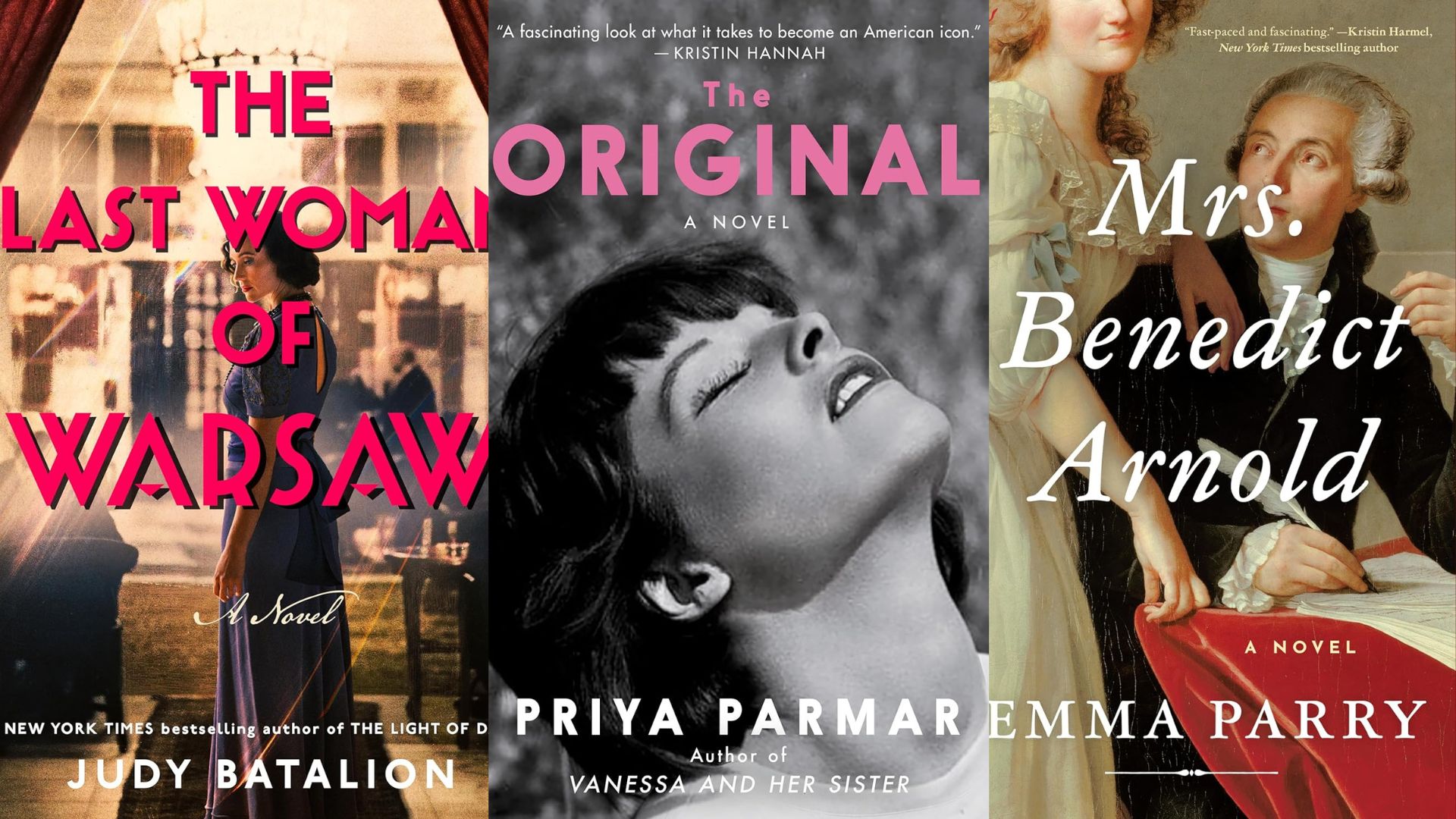
April always feels like a crossing.
The light lingers a little longer in the evenings. Windows open. Coats grow lighter. And something inside us begins to shift.
It’s fitting, then, that April’s historical fiction releases are filled with women standing at thresholds — between war and peace, obscurity and fame, loyalty and betrayal, grief and reinvention.
This month’s novels stretch across centuries — from Revolutionary Philadelphia to 1930s Hollywood — yet they share something deeper in common: women navigating systems that were never designed with them in mind.
If you prefer to watch or listen to my full reflections on these April releases, you can view the companion Author Notes episode below.
April 7 Releases
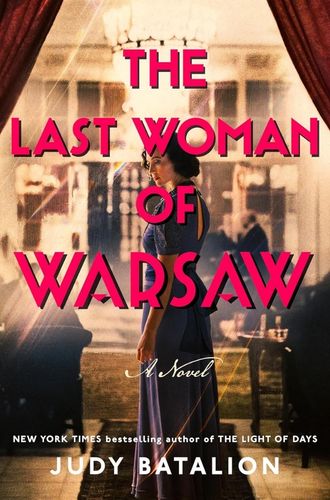
The Last Woman of Warsaw by Judy Batalion
Set in 1938 Warsaw, this novel unfolds as antisemitic laws tighten and intellectual life narrows under mounting political pressure.
At its heart are two young women: Fanny, an ambitious artist hungry for recognition, and Zosia, an activist shaped by ideology and violence. When their beloved photography professor disappears, they are forced into uneasy alliance.
What makes this premise compelling isn’t simply the looming war. It’s the question of creativity under constraint.
What happens to art when ideology begins policing thought?
What happens to intellectual women when their classrooms become battlegrounds?
For readers drawn to pre–World War II settings and stories of quiet courage that must eventually become louder, this one feels especially timely.
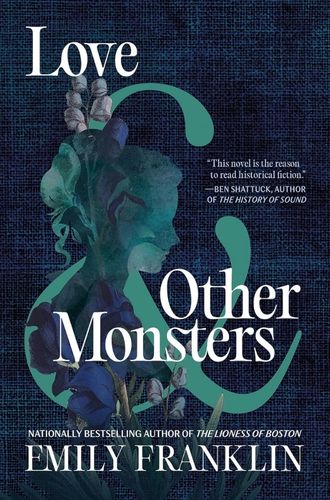
Love and Other Monsters by Emily Franklin
Summer 1816. Lake Geneva. A storm-darkened villa where literary history was made.
We know the mythology of that gathering — Mary Shelley, Percy Shelley, Lord Byron — and the birth of Frankenstein.
But this novel shifts the lens to Claire Clairmont, Mary’s stepsister — a woman whose name lingers in footnotes more often than headlines.
By centering Claire, the story explores early celebrity culture, artistic ambition, complicated sisterhood, and the uneasy reality of who gets remembered — and who does not.
For readers who love literary historical fiction and stories that reclaim overlooked women, this feels bold and layered.
April 21 Releases
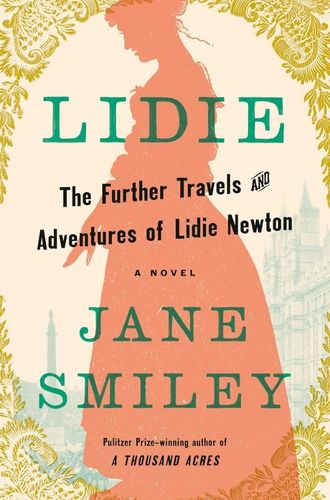
Lidie: The Further Travels and Adventures of Lidie Newton by Jane Smiley
Set in 1857 as America edges toward Civil War, this sweeping novel follows Lidie, newly widowed after her abolitionist husband is murdered.
Rather than retreat into mourning, she arms herself — literally — and travels across borders with her spirited niece.
There’s something expansive about this premise: grief not as paralysis, but propulsion.
Women in motion. Women crossing geographic and emotional lines. Women reinventing themselves in divided worlds.
If you enjoy panoramic historical fiction with bold heroines and shifting identities, this one promises scale and movement.
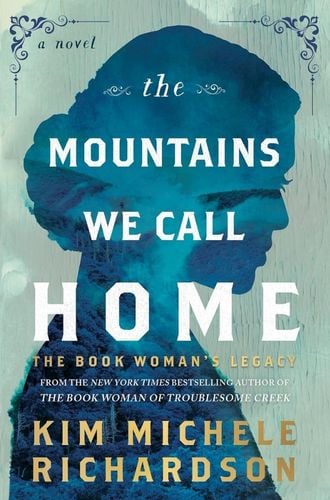
The Mountains We Call Home by Kim Michele Richardson
Readers who loved The Book Woman of Troublesome Creek will recognize Cussy Lovett’s world here.
Returning to Kentucky, this companion novel explores incarceration, poverty, fractured families — and once again, the transformative power of books.
Literacy as resistance.
Reading as dignity.
Stories as survival.
For those of us who believe deeply in the quiet, steady magic of books, this one feels personal.
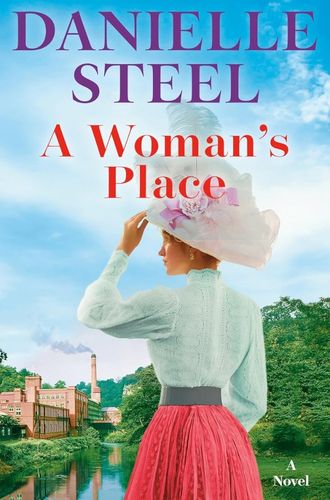
A Woman’s Place by Danielle Steel
The story begins aboard the RMS Titanic in 1912 — catastrophe, survival, a promise made.
But its emotional core unfolds later in industrial Manchester, where a young aristocratic woman steps into leadership in a world that does not expect her to succeed.
For readers who appreciate classic historical arcs — loss, reinvention, societal change — this novel carries that sweeping, emotionally driven tone.
April 28 Releases
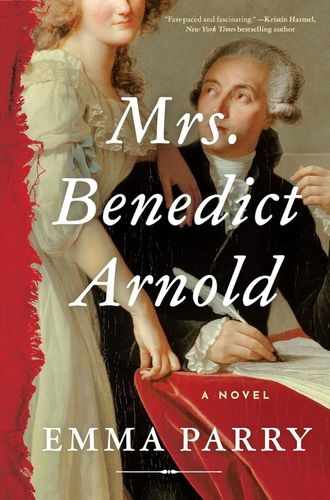
Mrs. Benedict Arnold by Emma Parry
Few names in American history spark as much reaction as Benedict Arnold.
But what happens when the story is told through the eyes of his wife, Peggy Shippen?
Set in Revolutionary-era Philadelphia, this novel revisits Loyalist balls, Patriot salons, and one of history’s most infamous acts of treason — but reframes it as something far more intimate.
How far will a woman go for survival? For safety? For family?
Stories that revisit so-called villains through a female lens often reveal the complexity history flattened. This one feels layered and provocative.
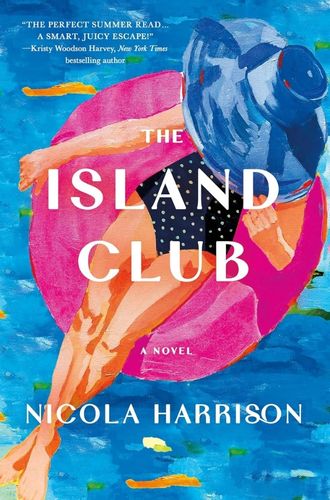
The Island Club by Nicola Harrison
Balboa Island, California.
Sun-drenched tennis courts. Society gatherings. Impeccable façades.
And beneath it all — unraveling marriages, financial risk, and long-buried secrets.
Mid-century settings often present polish. But we know there were cracks beneath the shine.
If you’re drawn to emotionally layered stories about marriage, friendship, and identity — particularly when female friendships become lifelines — this one offers that quiet tension.
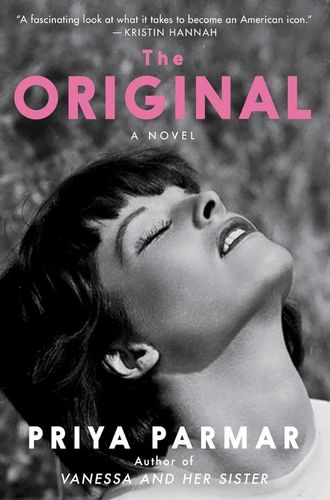
The Original by Priya Parmar
Early 1930s Hollywood.
After personal tragedy, Katharine Hepburn makes two decisions: she will become famous, and she will never let anyone hurt her again.
This novel explores ambition, sexuality, the studio system, and the cost of authenticity in an industry built on image control.
Stories about early Hollywood fascinate me because they sit at the intersection of glamour and constraint.
And when those stories center women who refuse to soften themselves to fit expectations, they feel especially relevant.
A Pattern Emerging
When I step back and look at April’s releases as a whole, I see a shared thread:
Women reclaiming narratives.
Women navigating institutions that underestimated them.
Women stepping into risk — sometimes by choice, sometimes because history left them no alternative.
From 1816 Lake Geneva to 1930s Hollywood, from Revolutionary intrigue to Appalachian grit, these novels remind us that history is not shaped only by the loudest voices.
It is shaped in private decisions.
In reinvention.
In resilience that often goes unnoticed.
If you’d like deeper reflections on any of these titles, you can watch the full Author Notes episode above. And if you enjoy discovering new historical fiction each month, you’ll find more curated release roundups here on the blog.
Happy reading.
FAQ: April 2026 Historical Fiction Releases
What are the most anticipated historical fiction releases in April 2026?
Notable April 2026 releases include Mrs. Benedict Arnold, The Original, Love and Other Monsters, and The Last Woman of Warsaw, among others spanning Revolutionary America to 1930s Hollywood.
Are there any literary historical fiction titles releasing in April 2026?
Yes — Love and Other Monsters explores the 1816 Lake Geneva literary circle, while The Last Woman of Warsaw centers intellectual life in pre–World War II Poland.
Which April 2026 releases focus on strong female protagonists?
Nearly all of April’s major historical fiction releases center women navigating political upheaval, artistic ambition, societal constraint, and personal reinvention.